Monitoring & Response
We watch the product in production and respond to critical issues fast, so problems get fixed before your users notice them.
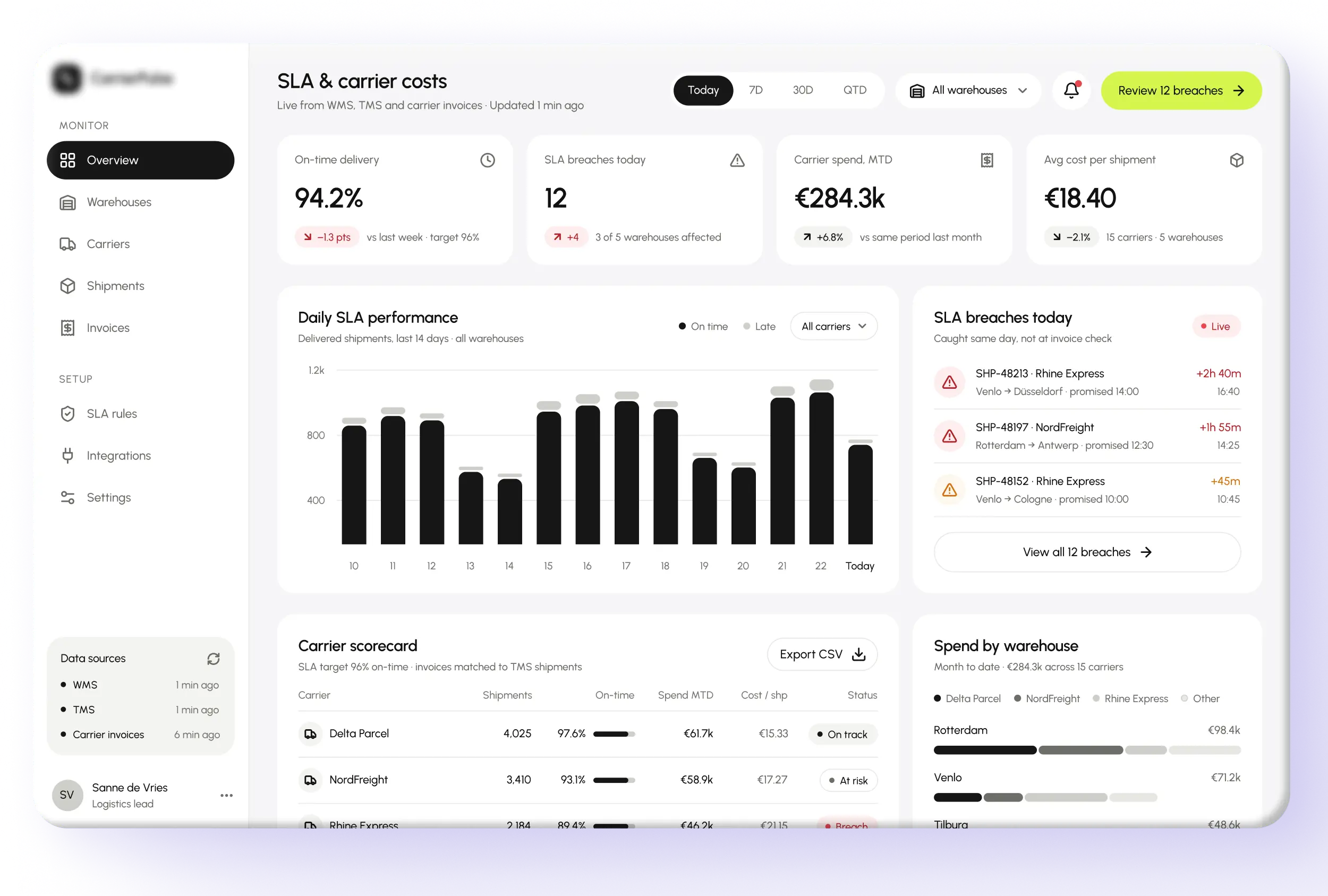
We keep your live product reliable with monitoring, hotfixes, performance work and steady improvements, so growth doesn't break what users rely on.
We watch the product in production and respond to critical issues fast, so problems get fixed before your users notice them.
Senior engineers, working with AI coding agents, fix bugs quickly instead of queuing them behind a backlog never meant for emergencies.
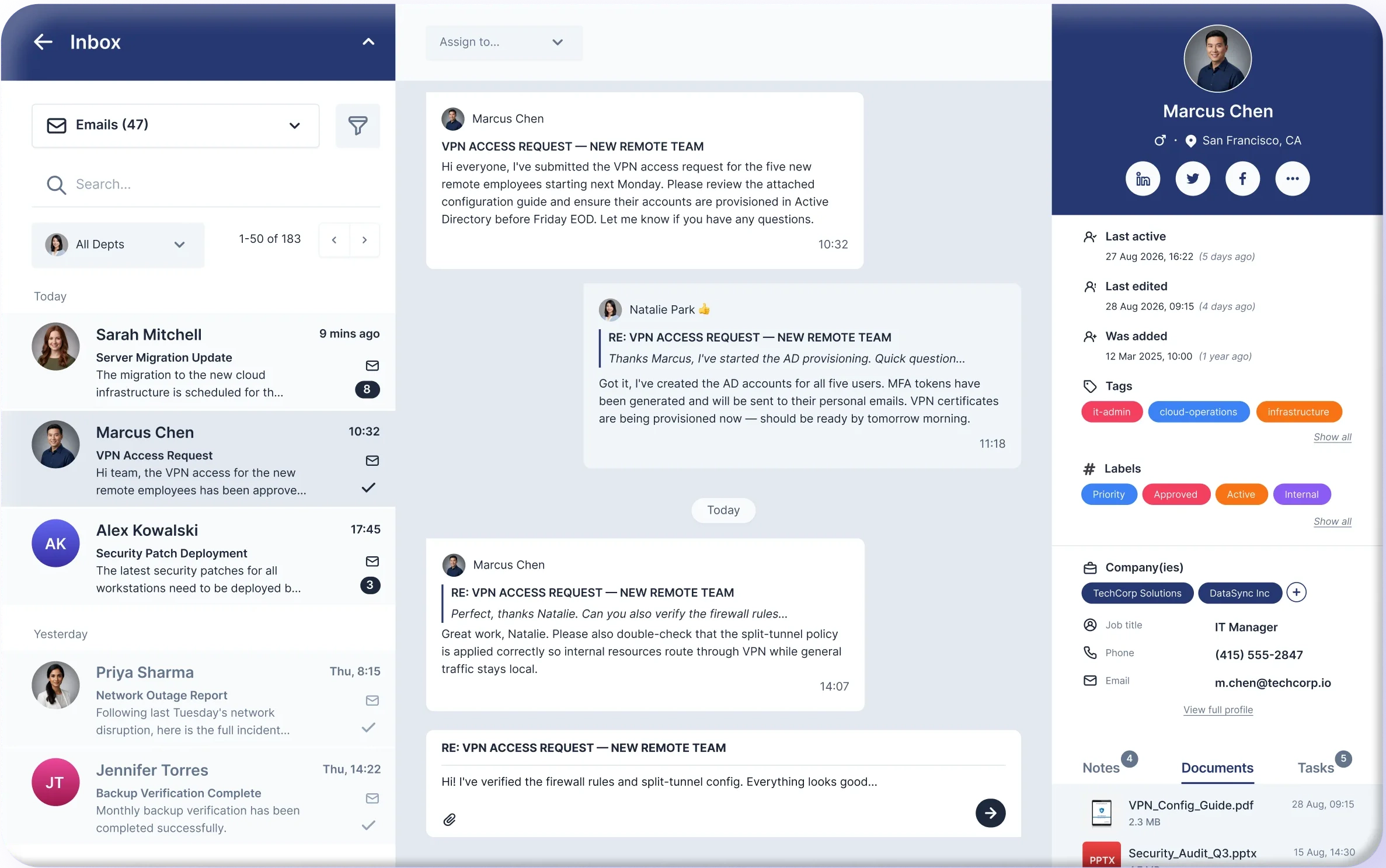
We track speed and stability as real usage grows, so a traffic spike isn't the first time anyone tests the product's limits.
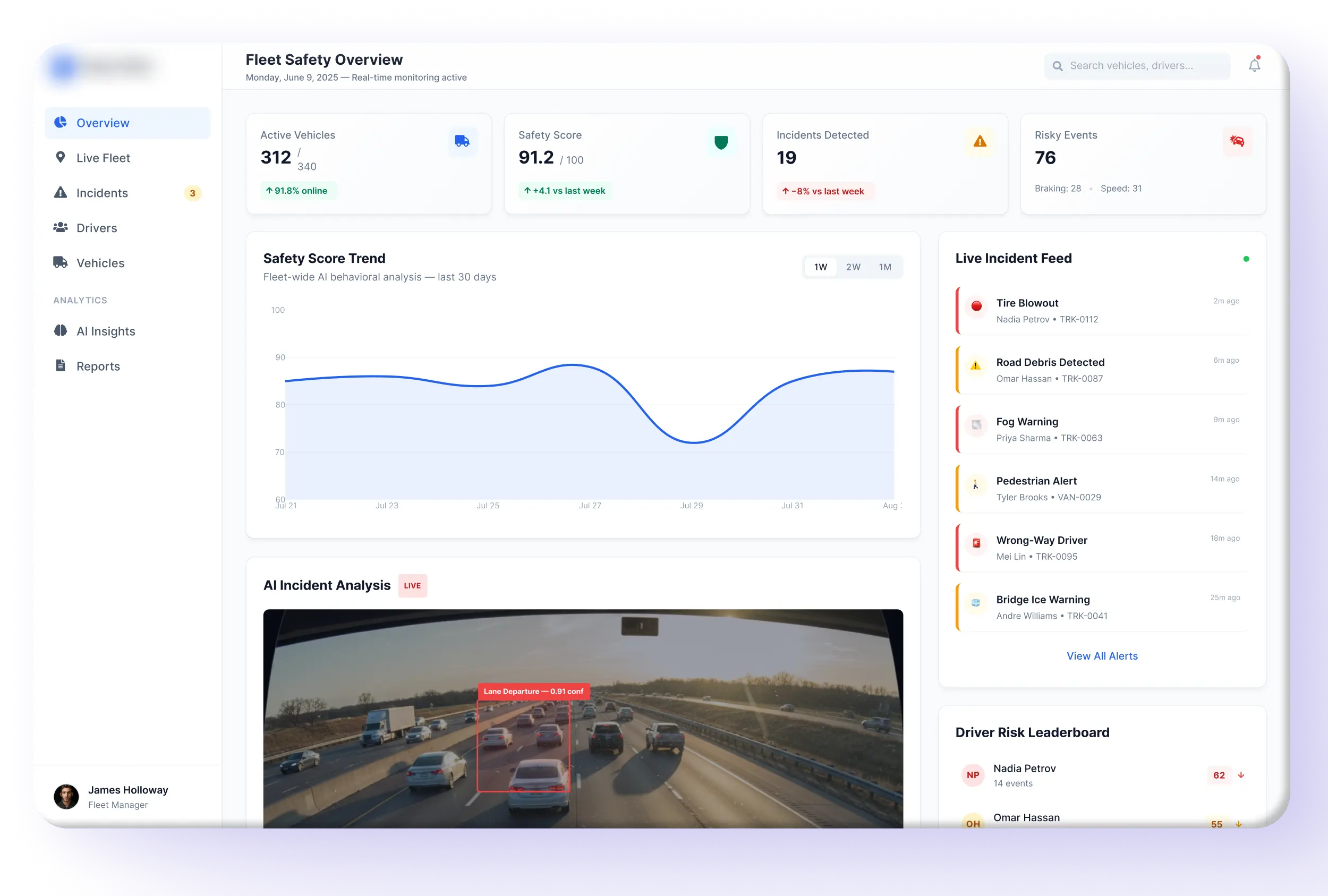
We maintain CI/CD, hosting and the services underneath the product, so the foundation stays as healthy as the code on top.
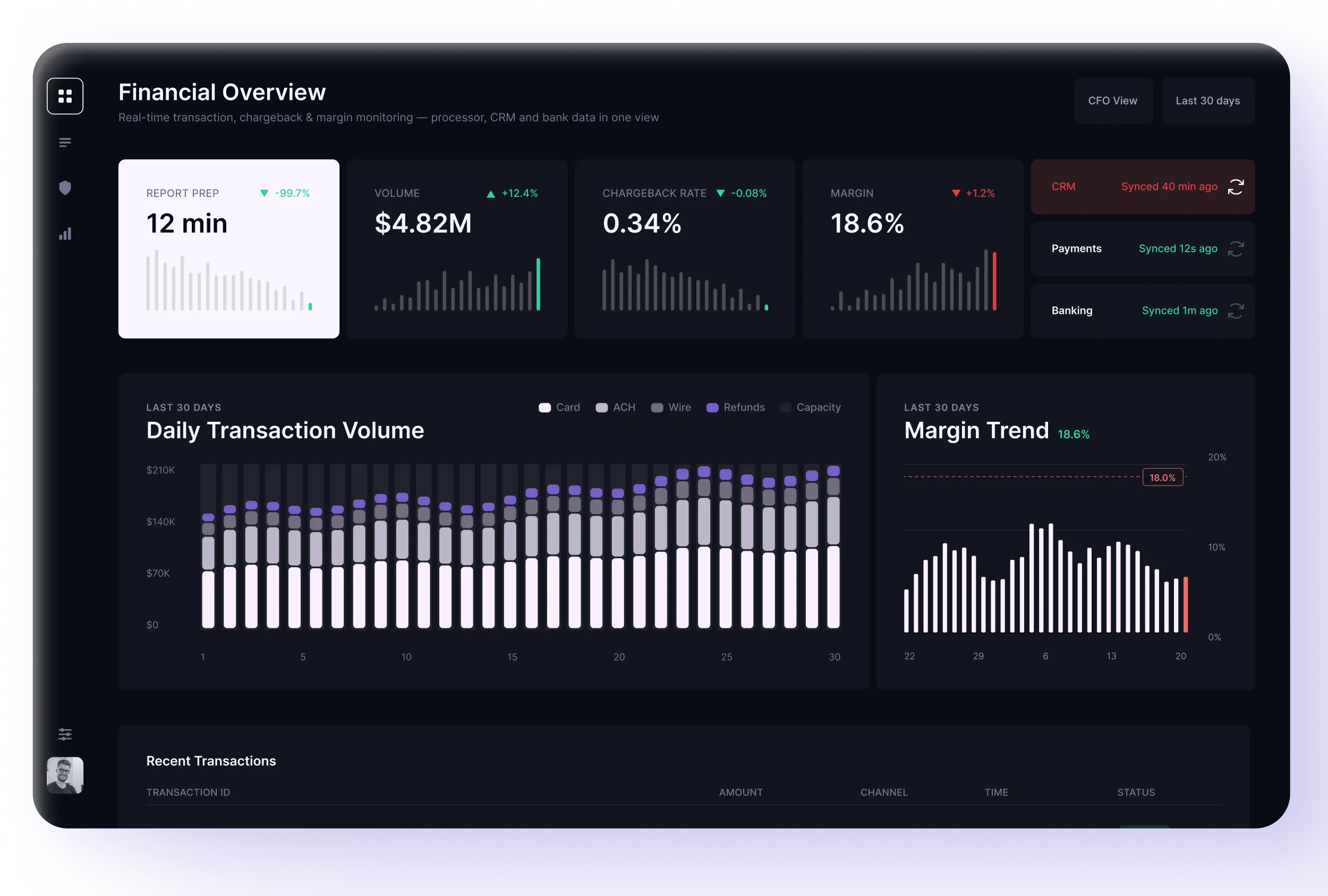
Small UX, UI and business logic improvements keep shipping based on real user feedback, so the product keeps getting better, not just patched.
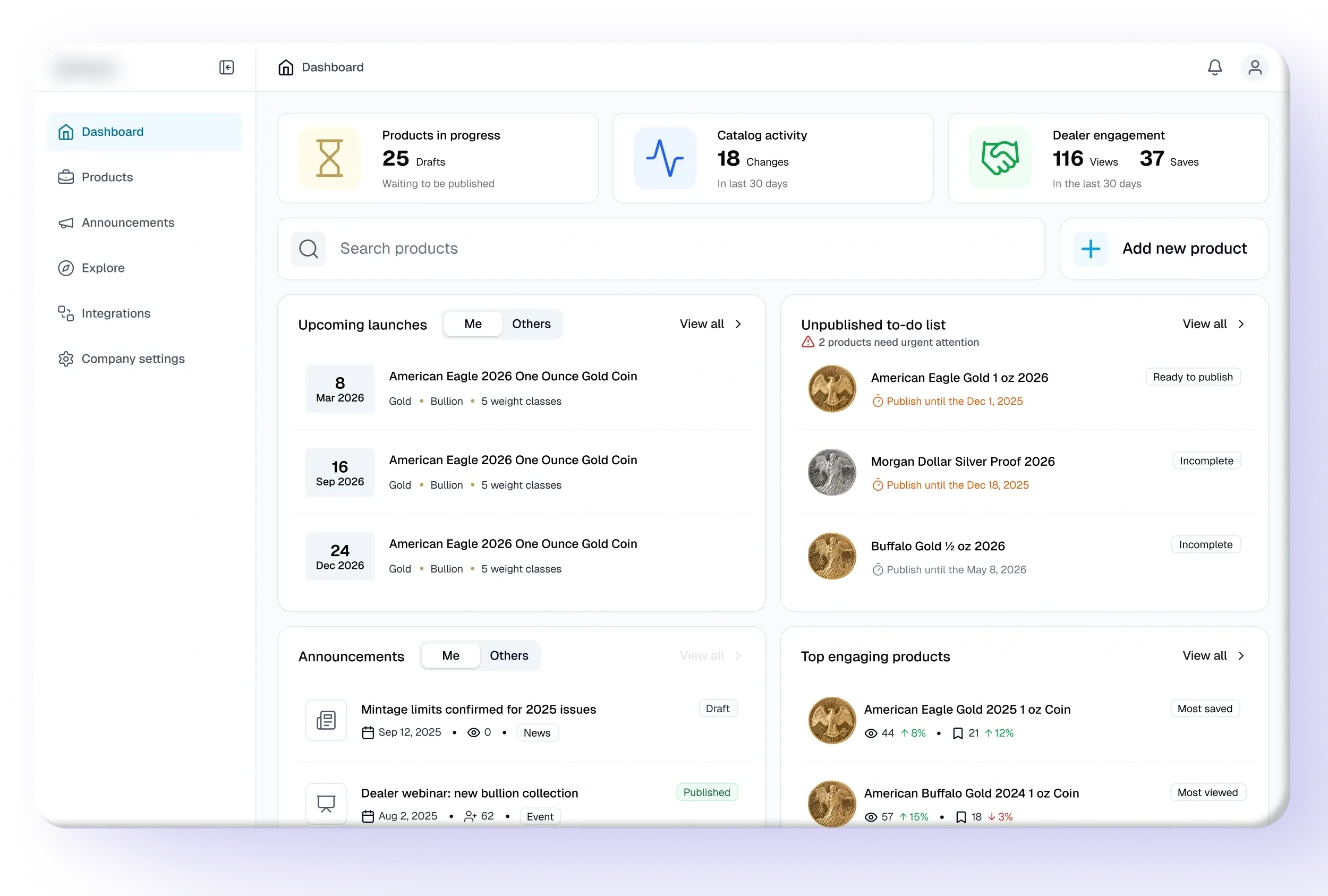
Developers, QA and DevOps who already know your codebase.
Critical bugs fixed quickly, so users aren't left waiting.
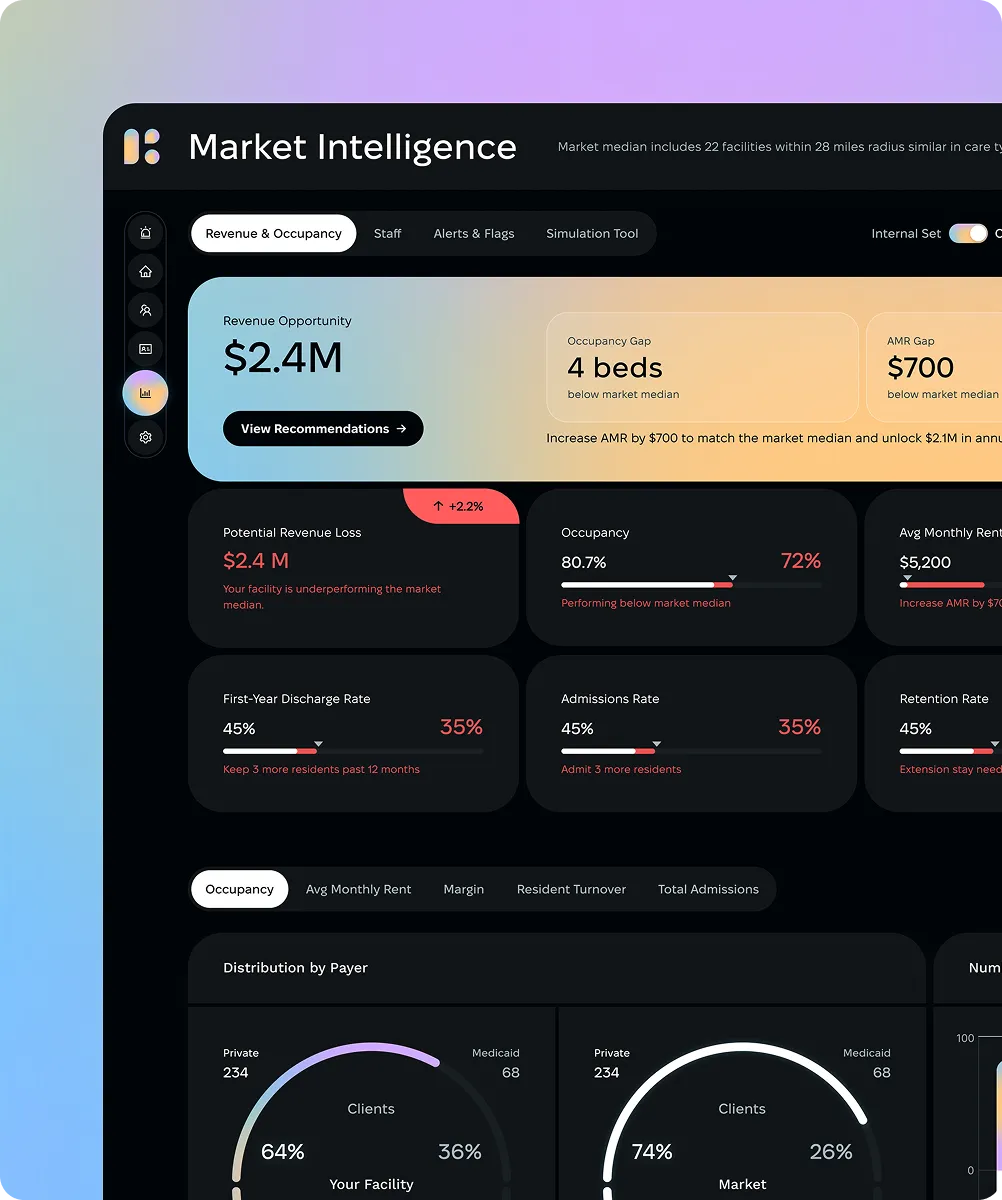
Issues caught and fixed before a user has to report them.
The UX and logic tweaks your backlog never reaches, actually shipped.
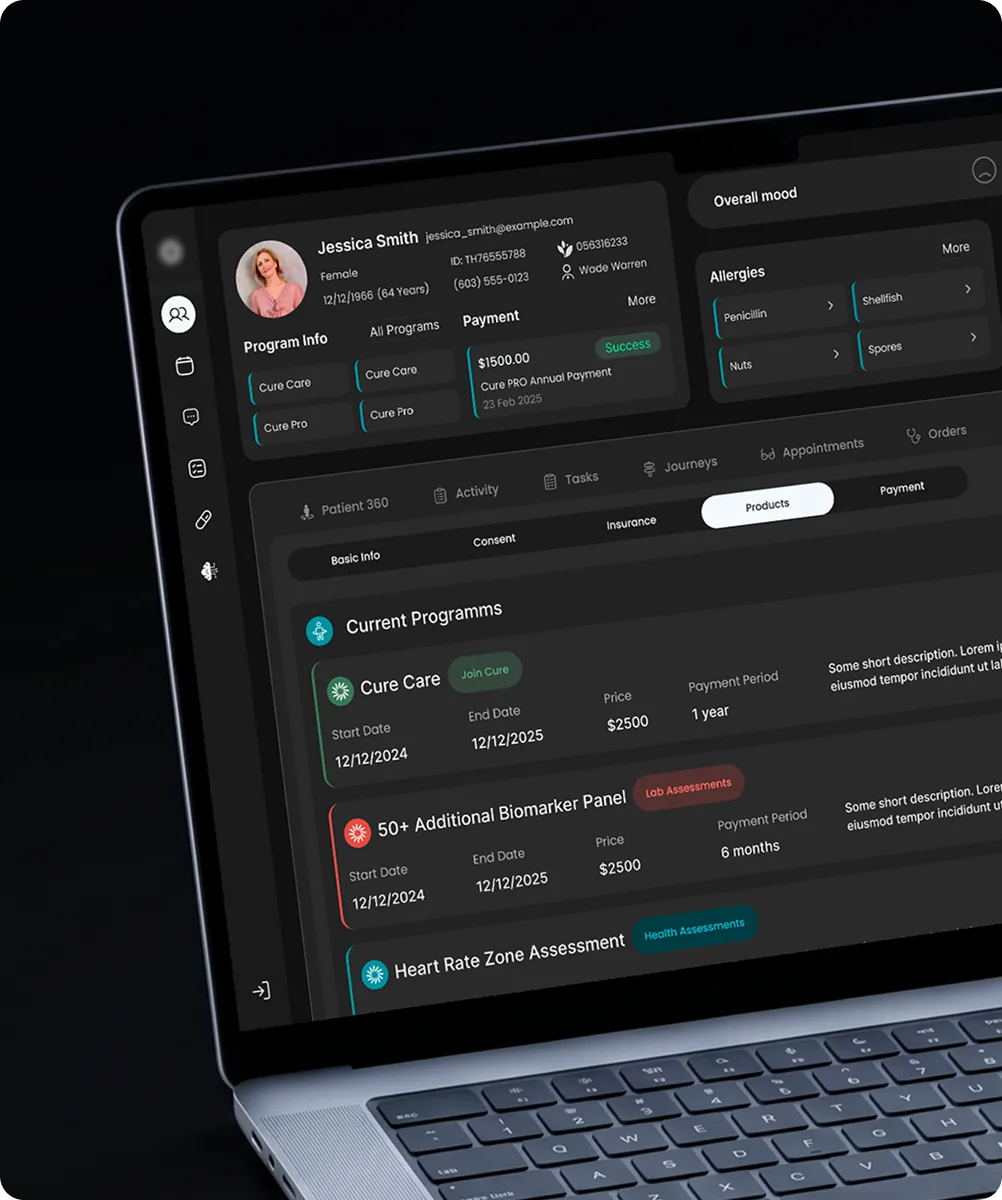
CI/CD, hosting and services maintained, not just application code.
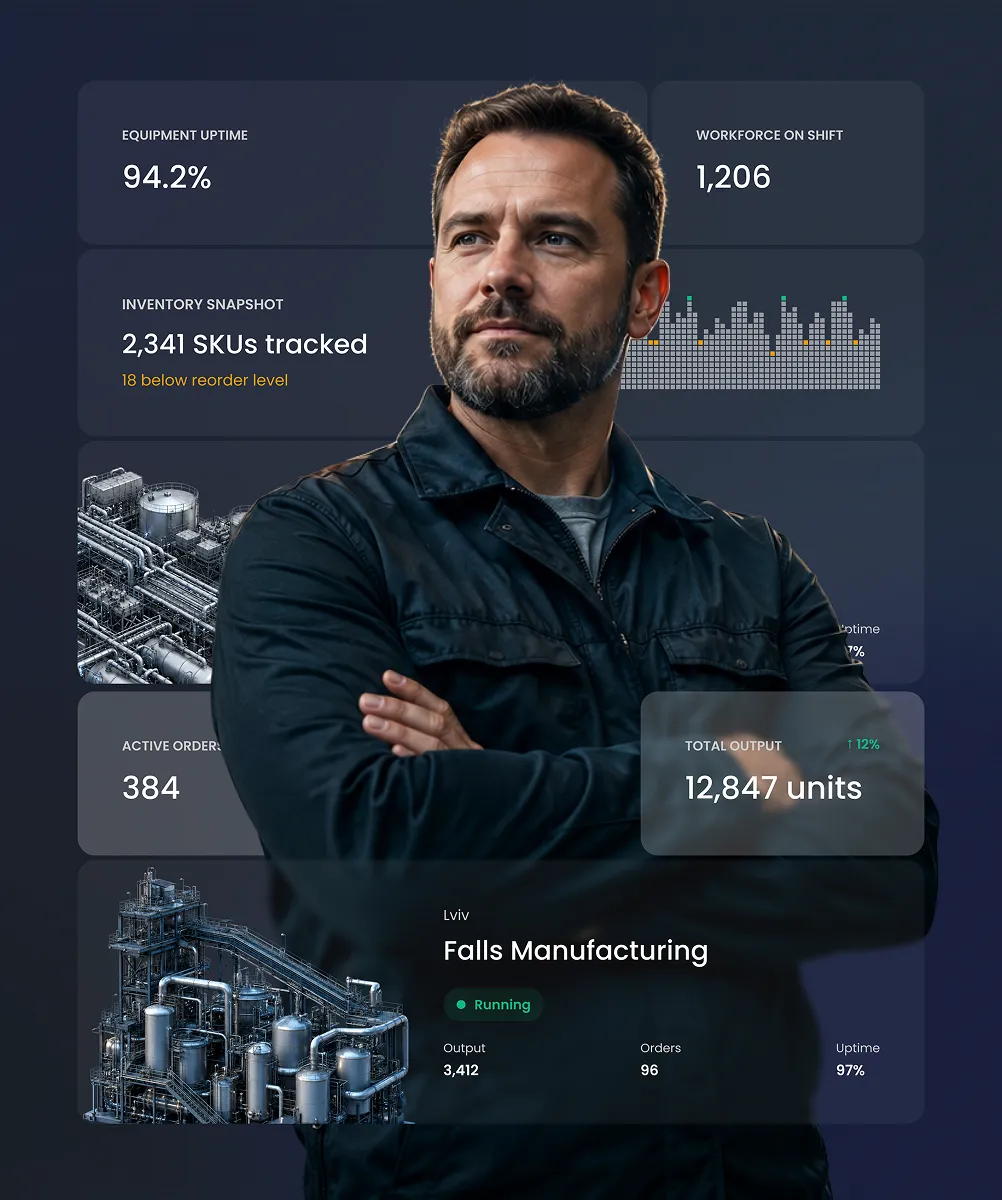
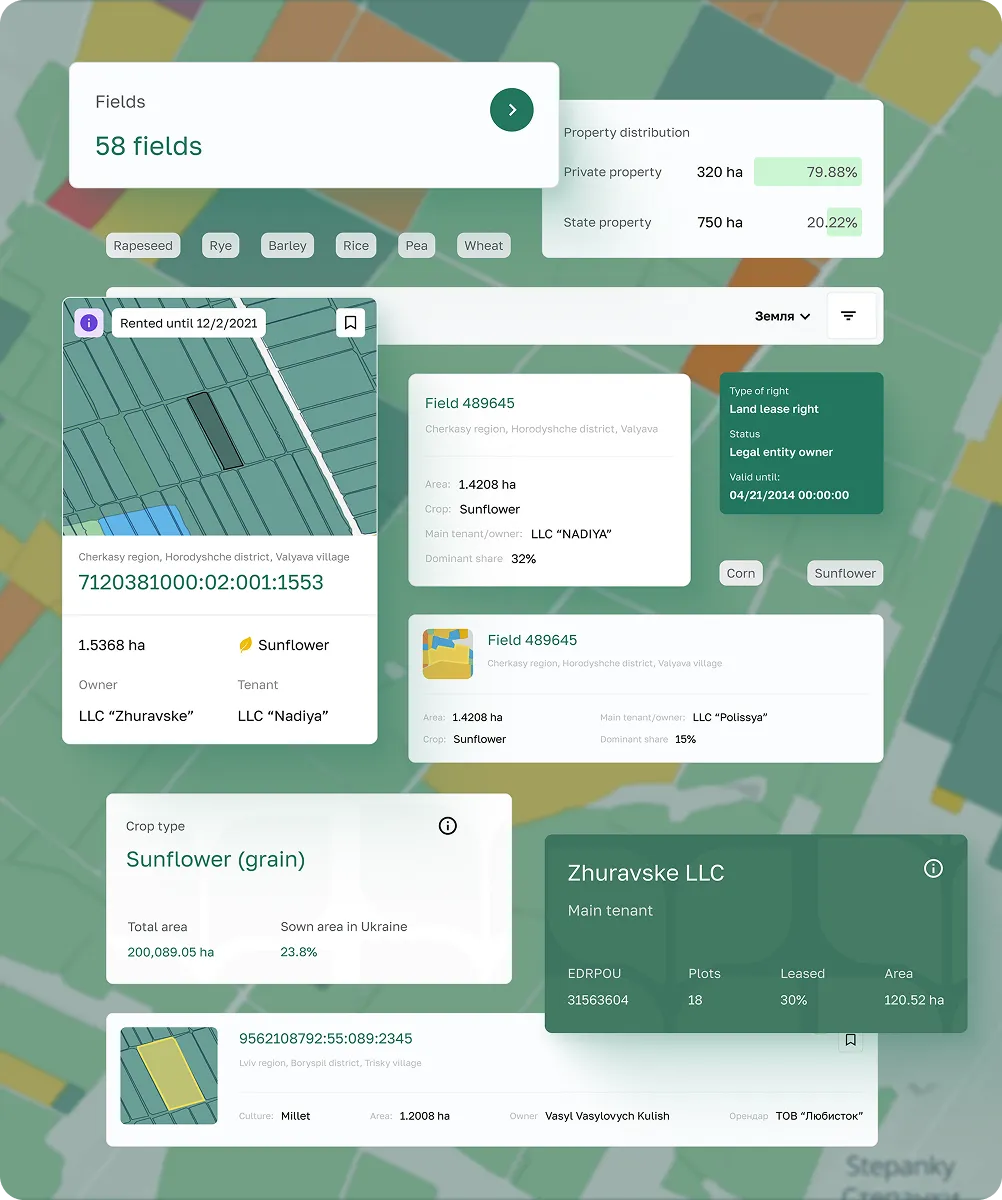
From a one-month safety net to ongoing, open-ended support.
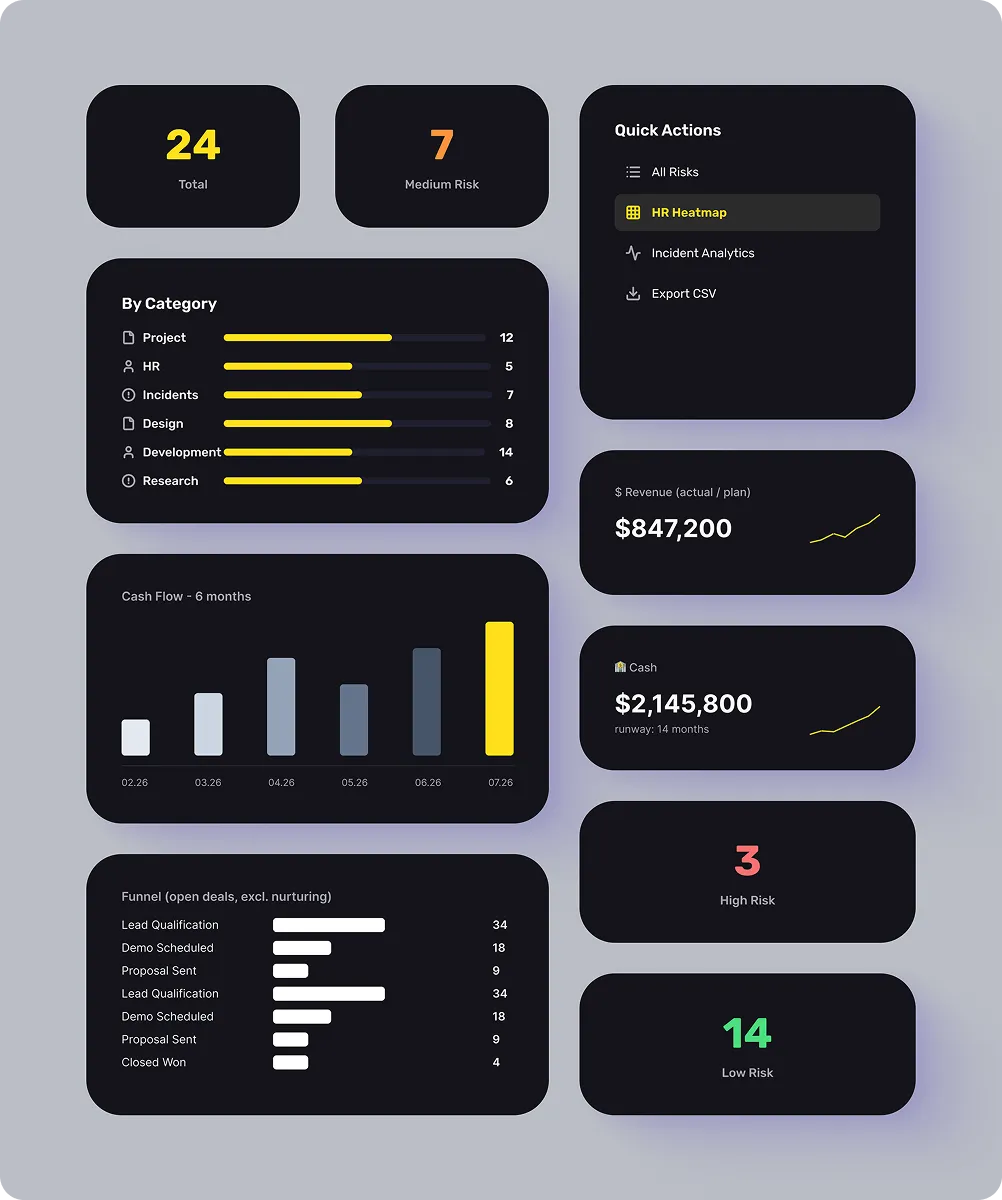
A clear record of every fix and change over time.
Most engagements run 1 to 6 months on an SLA or contract basis, and many continue once they prove their value.
Support starts the day your product ships, with people who already know the code, not a new team learning it from scratch.
A right-sized team, not a whole department, scoped to how much work your product actually generates.


Free Consultation
In a free 30-minute call, we'll look at your product and tell you honestly what level of support makes sense.
No pressure. No commitment to sign a contract.
We stabilized Samata Health and cut response time from 15s to 1s.
Every critical issue on an inherited platform fixed, not parked.
We've kept Samata Health running and improving since 2022.
Seniors who can read someone else's code and own it.
Since 2019, from startups to established businesses.
Rated by clients who stayed with us after launch.
Code and architecture review, whether we built it or not.
Alerts set up so issues surface before users report them.
Critical issues hotfixed first, everything else prioritized.
Small UX and logic improvements shipped on a steady cadence.
Extend, scale or wind down as your needs change.
We’ll assess your system, process, or data challenge and recommend the most practical next step.
No sales pressure. You’ll speak with a specialist who can actually assess the project.

Consult an expert, not a script.

If needed, we’ll sign an NDA first

We'll assess your situation first.

Get practical steps, not a generic pitch.
Both. Many clients stay with us after we build the product, but we also take over products built by another vendor or by an in-house team that has moved on.
Support plans for a small scope start from $2,000. The final price depends on team size and how much ongoing work the product generates. Most engagements use 1 to 2 developers, plus QA and DevOps as needed.
Most run 1 to 6 months on an SLA or contract basis, and many continue once the value is clear. You can extend or end it anytime.
Critical issues, such as outages, broken core flows or security problems, are hotfixed first. Everything else, like small UX tweaks or minor logic changes, is prioritized and shipped on a regular cadence. Response times are agreed in your SLA, based on how critical the product is to your business.
Both. Support covers CI/CD, hosting and the services underneath the product, not just the application code.
You do. Every engagement is work-for-hire, so all fixes, changes and improvements we make belong to you.
Access to the code and infrastructure, plus any documentation you have. If we didn't build the product, we start with a code and architecture review to learn its quirks before taking responsibility for it.
No, most clients start this way. We usually begin with a smaller team and adjust the scope once we see what the product needs in production.
You can end the engagement anytime. You keep the code, the infrastructure and a documented history of every fix and change, so another team can pick it up without starting from zero.